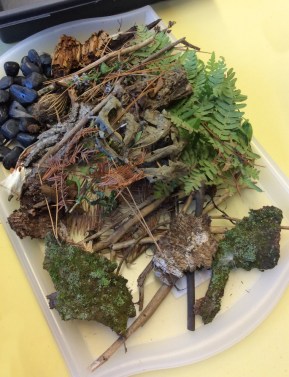
 Loose parts provide the foundation for a play-based emergent curriculum that focuses on inquiry driven learning. According to Simon Nicholson, the definition for loose parts states: “In any environment, both the degree of inventiveness and creativity, and the possibility of discovery, are directly proportional to the number and kind of variables in it.”
Nicholson, goes on to state that static, sterile environments such as schools and concrete playgrounds are often devoid of opportunities for curiosity, inventions, creativity and construction. These spaces are frequently rigid and unresponsive to the children who are expected to interact and flourish within their parameters. Continue reading

 As a parent, you are your child’s most important teacher. In fact, you have been preparing your child for school from the day that they were born. Everything you have done so far provided the foundation for your child to grow and learn throughout their lives! As a speech language pathologist, I understand the value of language in a child’s academic journey. But as a parent of three wonderful girls, I whole-heartily share the same concern every single parent has: Will my child be ready for school? Will he make friends? Will she know who to go to when she is hurt? Whether you are this easy-going parent or “that mom” who follows the school bus to school (not that I would know anything about this personally!), when the first day of school suddenly arrives, we all wonder how our little one will fair off. We all want our children to succeed, especially at school. Today, we will talk and share about what we can do at home to get our child ready for kindergarten.
 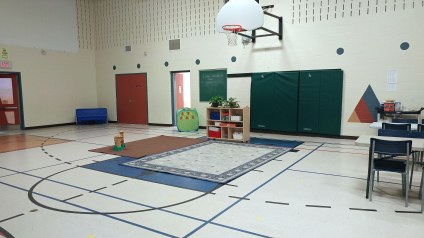 The snack area is purposefully set up by the gym doors, to allow the educator to greet the children and their parents. The construction area is at the centre of the gym, on a large carpet in order to encourage walking feet. There is also lots of room for the children to expand their play and continue adding to their structures.
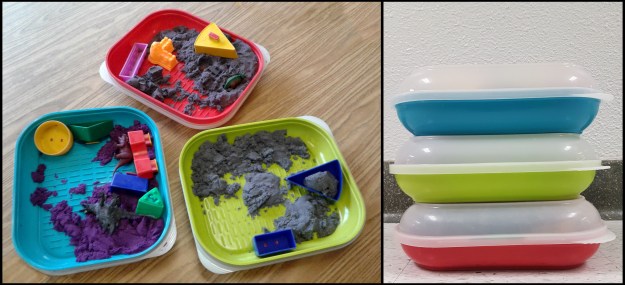
 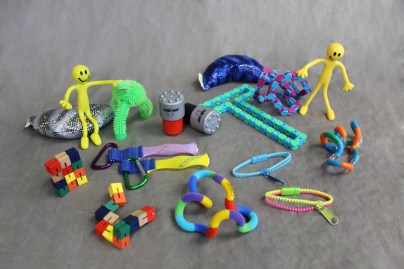 What are fidgets? Fidgets are small toys that have moving parts and/or textures that children can manipulate. They are usually small enough that they can be held easily in the hand. They should also be quiet toys that are not distracting either to the child using them or to other children (or adults) within the area.
 In terms of pedagogy, in preparation for the experience one might turn to books for inspiration. Books offer ideas about what to do with snow, activities from science facts to sensory findings. One of my favorite children’s books is titled Snow Lion by David McPhail. When Lion finds the jungle too hot and travels to the mountain, he discovers cold, white, fluffy snow and brings it back to share with his friends. The learning continues as the snow melts and Lion then offers to take his friends to the mountain so they can also experience snow.
 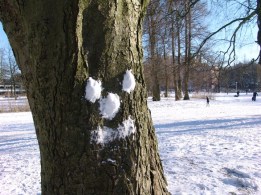 Allowing time to explore while practicing gross motor skills.
 ACCESS Inclusion Newsletter