
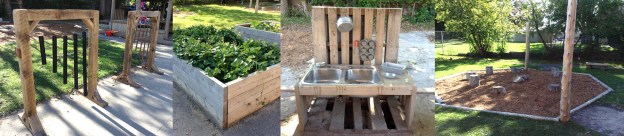
“Access to active play in nature and outdoors—with its risks—is essential for healthy child development. We recommend increasing children’s opportunities for self-directed play outdoors in all settings—at home, at school, in child care, the community and nature.” (www.childnature.ca)
In the summer of 2015, Pinecrest Queensway Headstart Nursery School started our first phase of transforming our playground. We met with a playground company in the early spring and began visiting other programs within the community to assist in brainstorming ideas. The children were excited to participate in all the processes and transformations of the yard. Children need variety in their play spaces; they need to be able to move from active, to imaginative, to passive play zones. The best playground designs encompass the complete site. Continue reading
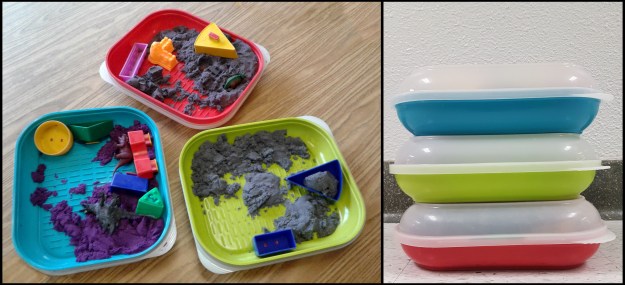
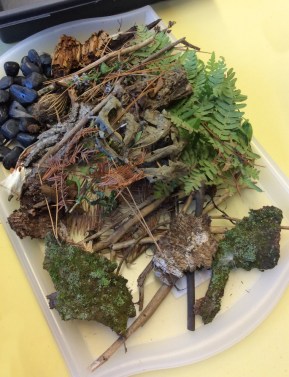 Loose parts provide the foundation for a play-based emergent curriculum that focuses on inquiry driven learning. According to Simon Nicholson, the definition for loose parts states: “In any environment, both the degree of inventiveness and creativity, and the possibility of discovery, are directly proportional to the number and kind of variables in it.”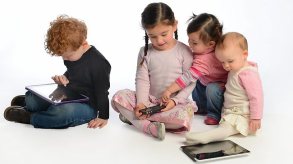
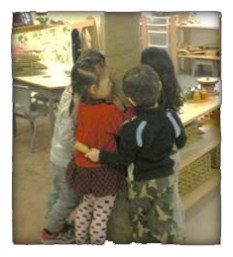 The “Hugging Tree” is a permanent fixture in our preschool classroom. It is the centre of our community time where we express our emotions and share how we are feeling. Social-emotional skills are an important element of preschool and children need to know that they are in a safe place where they can express their emotions and that there are caring adults who can help them understand and deal with their feelings.
 As a RECE and a resource consultant who has worked in the ECE field for more than 30 years, I initially was uninspired by the Ministry of Education’s publication
 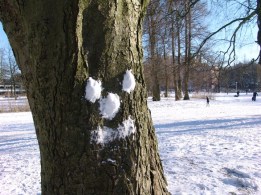 Allowing time to explore while practicing gross motor skills.
 ACCESS Inclusion Newsletter