Category Archives: Resources

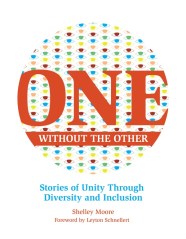
One Without the Other: Stories of Unity Through Diversity and Inclusion

Book_OneWithout.jpgOne Without the Other: Stories of unity through diversity and inclusion is a truly inspiring book authored by Shelley Moore (foreword by Leyton Schnellert). In this book, Shelley Moore takes readers on her journey in discovering the meaning of inclusion and diversity. She shares her own personal experiences in the classroom (as a student herself and as a professional today), helping and inspiring readers to understand and embrace diversity and inclusion. Continue reading

What is Five Moore Minutes?

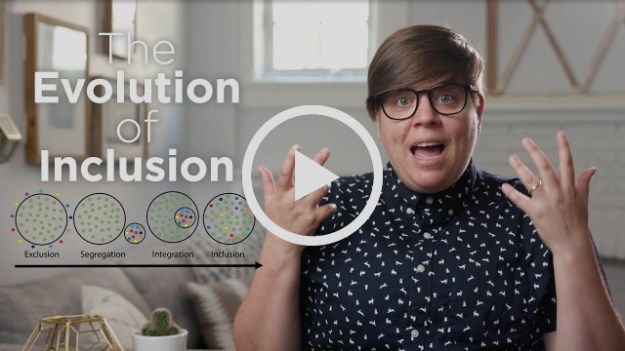
EvolutionOfInclusion

30741897_2118117931805530_4523879709701560504_nInspired by a little bowling video…Five Moore Minutes is a website with videos dedicated to empowering schools and classrooms to support ALL Learners! Created by Shelley Moore, this website is designed with teachers in mind. As educators, we don’t always have a lot of time, so this website and video series offers resources, research, professional development activities and inspiration in 5 minute chunks!

Click here to watch the project’s video introduction!

www.fivemooreminutes.com

Summer Activities in the Area

The summer is upon us and we often ask ourselves, what activities are available in our area? We thought of offering you a list of activities located in the national capital region. You will also find some free activities.

Museums:
*Please check museum websites for effective dates.

Continue reading

How To Talk So Little Kids Will Listen

A Survival Guide to Life with Children Ages 2-7
By Joanna Faber and Julie King

Book_May_EN“A Survival Guide to life with little children!”  Could this be true?
I am a mom of a lively 3 year old boy and a Resource Consultant (RC) who supports parents and Early Childhood Educators. I am thankful that I came across this book at our CISS resource library. Not only does it align with the practices used amongst our team of RC’s it also offers an abundance of fun, effective, concrete tools and tips that I couldn’t wait to begin implementing with my son and within my RC role.  Continue reading

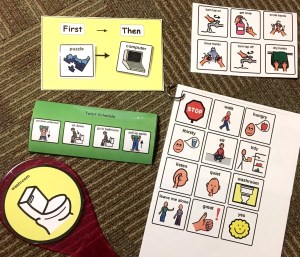
Why are visuals important to use in your program?

Visuals are a tool to visually convey messages and ensure they are understood.

The purpose of visuals is:

  • To capture and sustain attention
  • To facilitate comprehension
  • To promote expressive communication
  • To organize physical space and material
  • To develop autonomy
  • To develop play and social skills
  • To encourage desired behaviour

Continue reading

What to Include in a Calm Down Kit

The purpose of creating a calm down area is to provide a space to support the child in learning to self-regulate. It is a safe place for a child to take a break away from a stimulus that is causing stress, anxiety or anger (e.g., loud noises, having to share, feeling tired, or being excited). The child learns to identify overwhelming feelings and step away to regain self-control. Through this process the child engages in calming and relaxing activities and, once calm, is able to return to the activity or routine in progress. A calm down area should never be used as a time out or as a punishment.

There are a lot of different things you can include in a calm down kit and you will want to tailor it to your child(ren) and ensure the calm down area is supervised at all times. The kit should be readily available for both indoor and outdoor and can include: Continue reading

Does adult screen time impact our children?

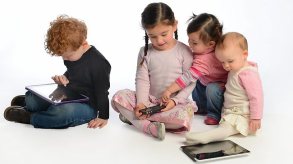
It seems there is a new article or research every week about the adverse effects of screen time on children. Too much screen time has been linked to child obesity, attachment issues, lack of sleep, delay in language acquisition and sensory overload to name just a few.

technology

While children are watching TV, using a computer, gaming device, tablet or smartphone, they are missing out on opportunities. Opportunities to make connections with the world around them including forging real relationships with peers and adults in their life; opportunities to problem solve, to be creative, to feel, touch, smell and make sense of their environment.  Continue reading

Purchasing Toys and Equipment

When Resource Consultants are out in licensed child care programs they are often asked where the equipment they bring is purchased. The following list has been compiled to help programs who wish to purchase materials to support their environments. Having these materials readily available will support educators in meeting the needs of the group and the individual child.  Continue reading