Bird seed is a great indoor or outdoor sensory bin filler. Outdoors in your mud kitchen, spills will just provide the birds an extra snack. Other great ideas include adding gardening tools and flowers or mini birds, nests and rocks.
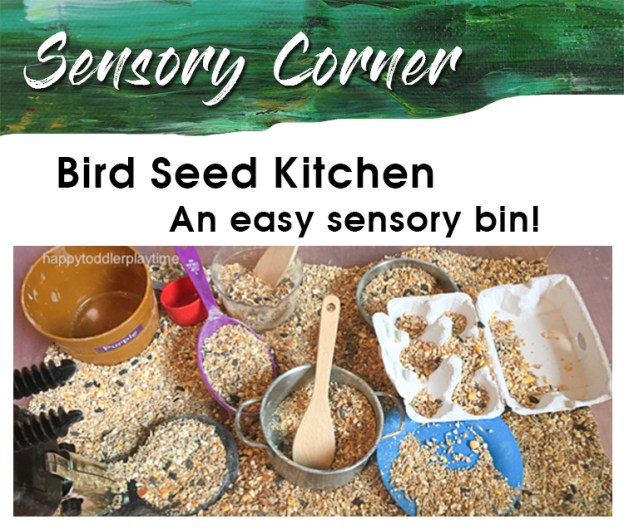

Bird seed is a great indoor or outdoor sensory bin filler. Outdoors in your mud kitchen, spills will just provide the birds an extra snack. Other great ideas include adding gardening tools and flowers or mini birds, nests and rocks.

Pool Noodle Tag
One or two students begin with a noodle (foam paddle). These students are the taggers. When the music begins they WALK and try to tag everyone who does not have a noodle. If a student gets tagged, they walk over and grab a noodle from the piles outside of the playing area and join the taggers.
Other ideas:
Continue reading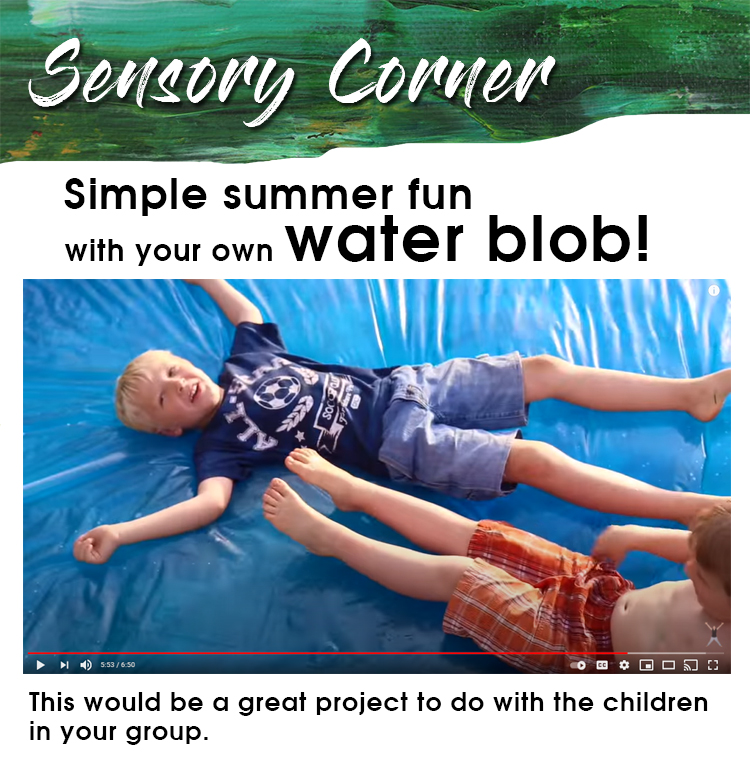

To stimulate your child’s language, read books and tell stories to your kids. Foster a love for reading by including books and storytelling in your daily routine, every single day!
1. Promote language by reading books to your child
Reading is one of the best activities that you can do with children of any age. Reading books and talking about them helps children develop language skills.
Continue reading
Encouraging simple peer interactions within familiar routines and activities can be an effective first step toward helping children to: attend to their peers, share attention with their peers, respond and initiate simple exchanges. A first step may be having the children non-verbally participate in the interactions, and later adults can model appropriate language that the children can use with their peers. The important part for these early interactions is that each child has a clear “role” in the interaction, and that an adult is nearby to help each child to take their turn.
Continue reading
Communication starts at birth. Parents who talk to their baby, observe, follow, and play with their children play a crucial role in supporting communication development. One important skill is turn-taking. Turn-taking skills are an integral part of communication in young children.
What exactly is “turn-taking” skills?
Turn-taking skills can be compared to the ultimate “ping-pong” communication game. It involves the back-and-forth interaction between two people, between you and your child. Turn-taking skills are the foundation to healthy attachment and communication skills. Turn-taking skills are built into “serve-and-return” interactions that are so important to build a child’s brain. When you and your baby are actively engaged and practice taking turns during sound play imitation, a peek-a-boo game, chatting, you are laying the foundation for later conversation.
Continue reading
Providing deep proprioceptive sensory input through heavy work is a great way to calm your child’s body and there are lots of different heavy work activities that your child can do.
But maybe you’re looking for something new for your child to do since it’s winter?
This list of winter heavy work activities for kids to do outdoors in the snow is a great starting point if you are looking to sneak in some extra sensory diet activities this winter. So bundle those kids up and head outdoors for these simple, yet effective heavy work ideas!
Here’s a list of 20 fun ways for kids to sneak in some heavy work while playing outdoors in the snow:
Continue reading
When the COVID-19 pandemic closed childcare and schools back in March, we could not have understood the scope of what the following months would bring. The decision to reopen the economy, thrust RECE’s and childcare staff onto the frontlines, and childcare centers needed to make hard decisions about reopening their programs. Childcare professionals needed to return to work safely, and still provide nurturing, joyful, healthy and high quality environments to welcome children during a time that was confusing and wrought with fear and uncertainty. Annavale Headstart was no exception, and the reopening process was undertaken with caution, care and teamwork. One thing was certain, the team approached the decision to reopen with pride, determination and with a solution focused mindset, so that our families and children would be supported.
Continue reading
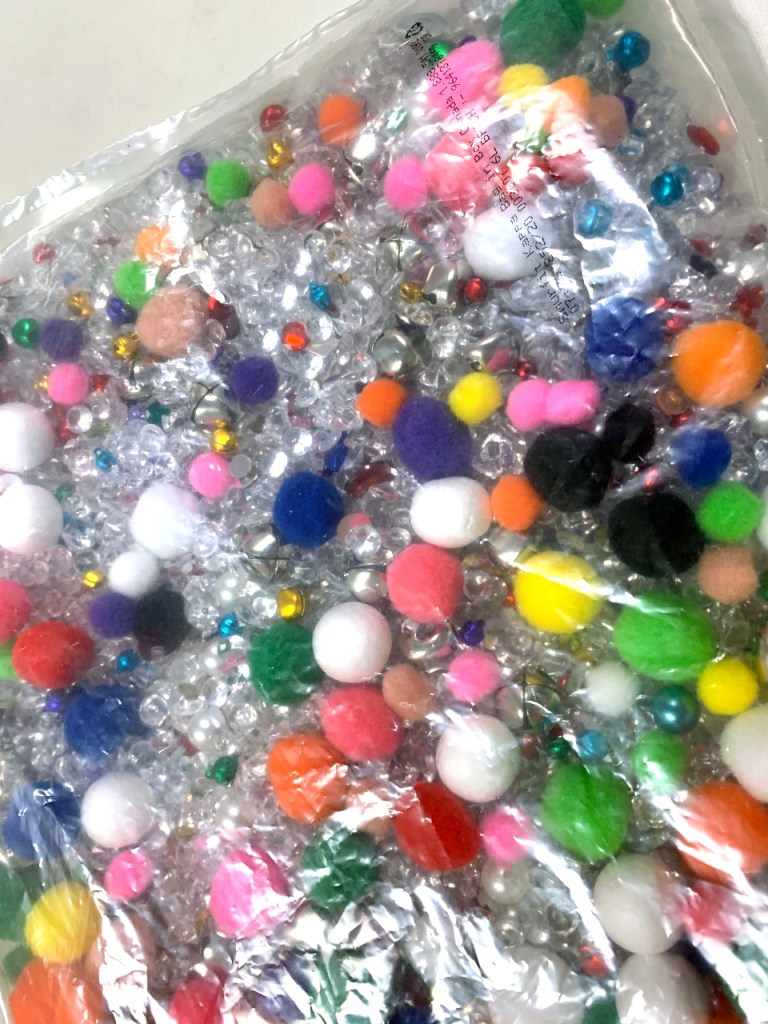
Follow 3 simple steps.
Step # 1 – Call ahead to any wine making supply store and ask them to set aside some used wine bags with their lids. They come in two sizes, small and large.
Step # 2 – Clean the wine bags using soap and water then hang the bags upside down with the lid off for a few days or until dry.
Step # 3 – Fill them with desired materials and offer them to the children to explore!
 ACCESS Inclusion Newsletter