
Author Archives: cissnewsletter
Safe and Secure within Ourselves
SUMMER CHATTING: This summer, start talking and get children ready to succeed!

By Roxane Bélanger, M.O.A., SLP-C, Reg. CALSPO
Speech Language Pathologist, First Words Preschool Speech and Language Program of Ottawa and Renfrew County
We know this: language is the greatest predictor of a child’s success later at school and in life. Children with strong language skills do better with reading. At First Words, one of our key message for parents and educators this summer is to: “Talk to your child. All day. Every day” in order to help children’s language soar. With little set-up, these language activities can help you grow children’s speech and language skills – and get them ready for daycare, school or any post-pandemic routine!
From the CISS Resource Library – Chewies
CISS has many varieties of Chewies to support children who find chewing calming to their bodies or decreases anxiety. The sensory need of “chewing” helps regulate those with difficulty processing sensory input, and therefore needs an appropriate replacement form of chewing. It is important to provide safe alternatives that still meet the child’s need to chew.
“Chewing on clothing and other items is a common sensory need of children with autism or sensory integration disorder. Some children have mild chewing needs and others can really be serious biters, practically bending metal with their teeth. Though the heavy jaw work of chewing may help to relieve stress and calm, it can also be intrusive, and damaging at times.”
Funandfunction.com
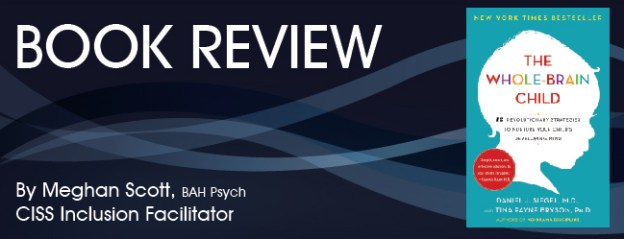
The Whole-Brain Child – Daniel J Siegel & Tina Payne Bryson
Heavy Work
Heavy work helps to calm or alert the body by stimulating the proprioceptive system. Implementing Heavy Work can decrease challenging behaviours and help the child take initiative by learning what works well for them. Heavy Work is any activity that pushes and pulls the body and places pressure on joints and muscles giving the child input and awareness of where their body begins and ends.
Ways to Respond When Your Child Says: “I’m Bored!”
As we all walk (or sit) through the fight against COVID-19 we are hearing our children say, “I’m bored” more than ever. While the online world offers a myriad of options and parents have never-ending to-do lists, keeping our children involved and engaged is a priority as we adapt to this new normal. To help you through this, we have compiled 7 ways to respond when your child says, “I’m bored!”
View our Response Chart and Fridge Sheet


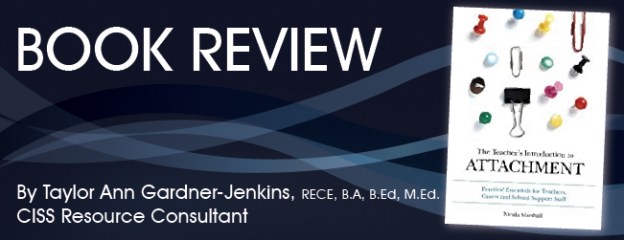
The Teacher’s Introduction to Attachment: Practical Essentials for Teachers, Carers and School Support Staff
Fun In the Sun

Summer time is a great way to combine outdoor activities and building motor skills. Here are a few activity ideas that will give old activities a new spin while practicing both fine and gross motor skills.
Short Webinars for Parents
Based on the questions the CISS team has received from families, our behaviour team has answered some of these in these short webinars.
Bored Children
Children Testing Limits
Anxiety in 3 year olds
Anxiety in 6 year olds
Anxiety in 10 year olds
 ACCESS Inclusion Newsletter