Author Archives: cissnewsletter

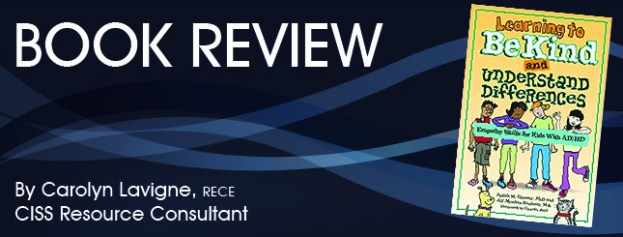
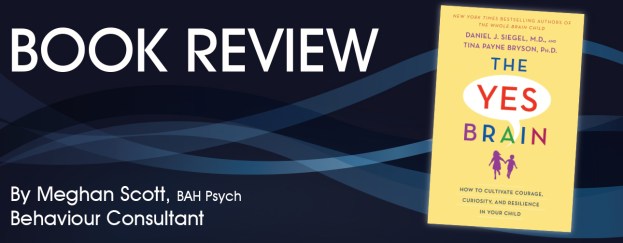
As parents and educators, we strive to give our children their best chance at lifelong happiness. We work tirelessly to equip them with the tools that will allow them to succeed and achieve their goals. In The Yes Brain, Dr. Daniel Siegel and Tina Payne Bryson draw on their many years of research and experience in the field to teach us what children really need to thrive. This enlightening book encourages responsive caregivers to foster curiosity and risk-taking within the framework of safe and secure relationships, to promote the development of insight, balance, resilience and empathy—also known as, The Yes Brain.

Continue reading
Masked Educators and The Many Ways They Support Children

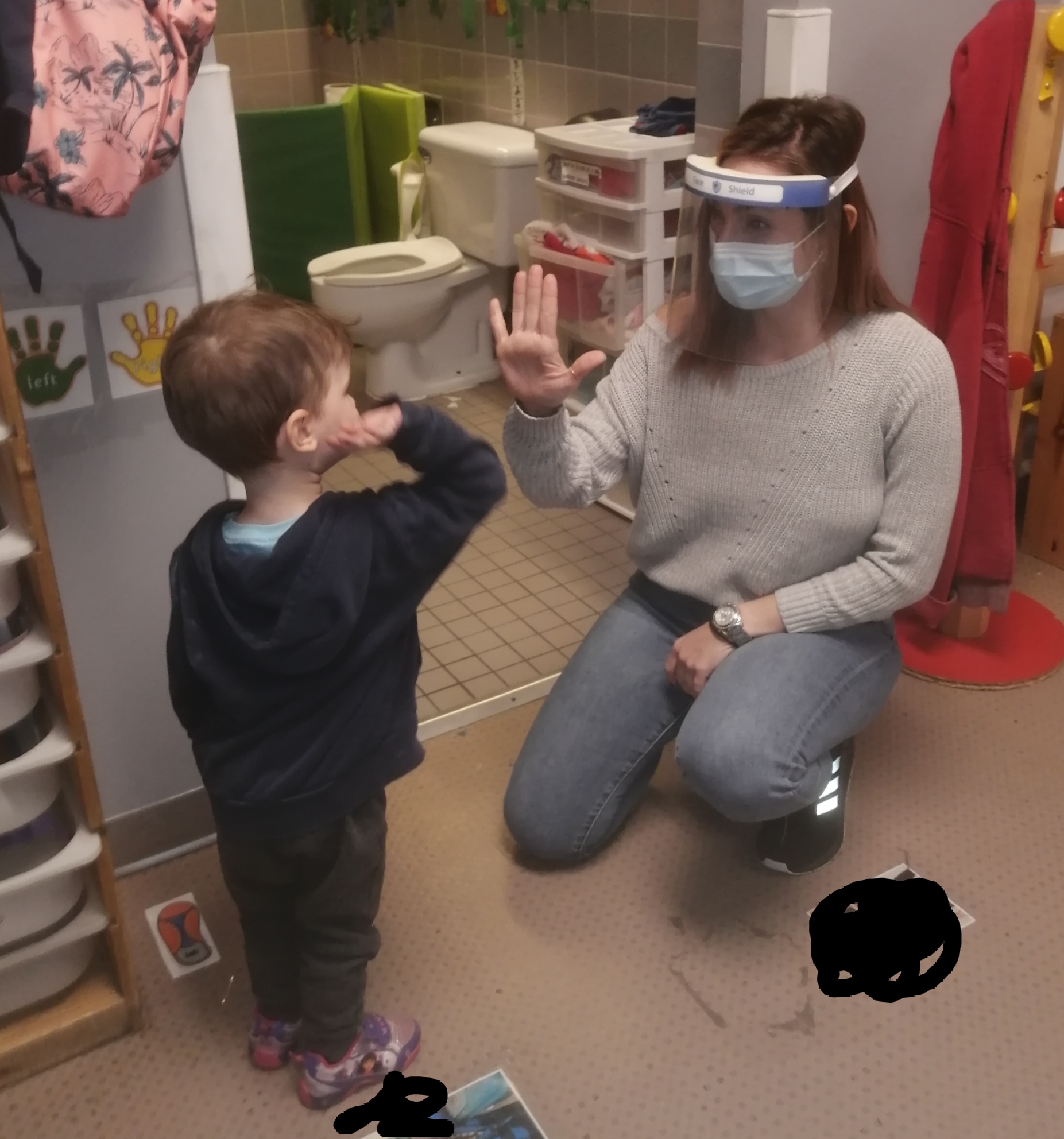
Educators look a little different these days wearing masks and PPE; however, they are finding new and creative ways to support the children they work with. Educators have been exploring different ways to engage with children while building their language and literacy skills, understand how to read body language and tone of voice, offering sensory experiences, and building on their strengths for continued development. Join us for a conversation on what this looks like in early learning.
Listen now!

Encouraging Independence Through Visual Systems

I have been an educator for over 10 years and I believe children learn best when being taught new skills with a hands-on approach. A reoccurring question I have asked myself during my years as an educator is, “how can I best help children to become more independent?”

I have worked with a variety of age groups and at each stage of the children’s development fostering independence is a critical part of the job of an educator. Throughout my career I have had the opportunity to work with many other professionals who also held the same belief and attended many workshops that have inspired me and taught me new techniques to use in my programs.

Continue reading

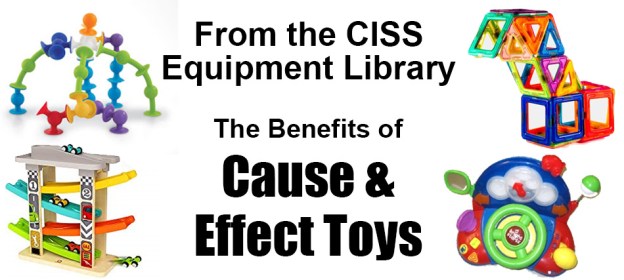
From the CISS Equipment Library: The Benefits of Cause and Effect toys

One of the ways your Resource Consultant can support your program is by providing adaptive equipment to support inclusion. Cause and Effect toys are commonly used to support children during group and play activities. Playtime can be challenging for children who have limited play and social skills. During group time, switch toys (toys that have been adapted with a larger switch to make activating the toy easier for children with physical limitations) can help some children to participate to their full potential.

Continue reading